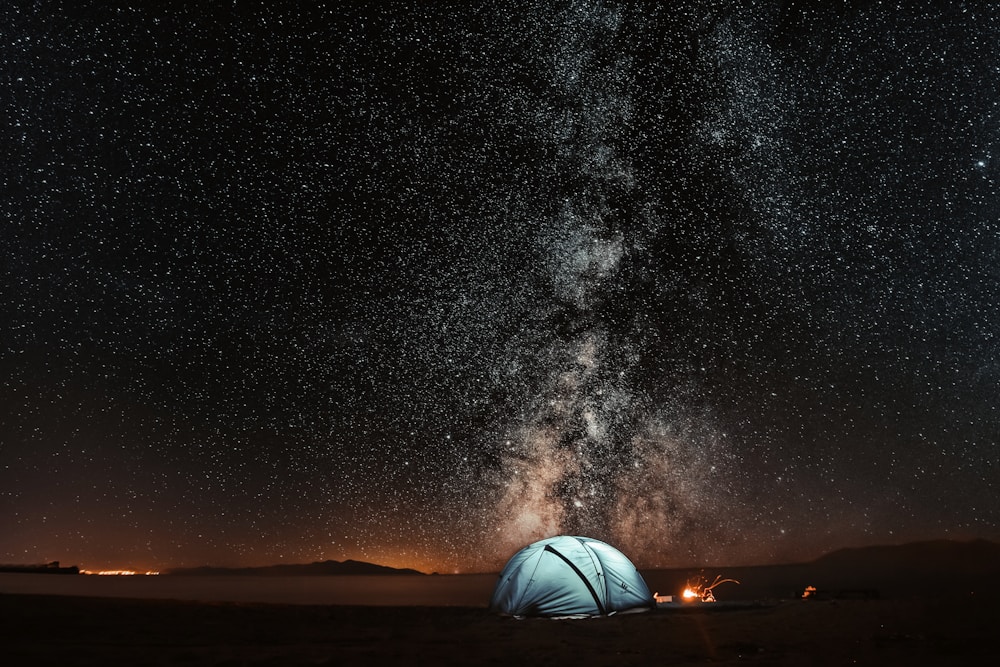
Group camping multiplies both the rewards and challenges of outdoor recreation. Shared experiences create bonds that indoor gatherings cannot match, and the practical benefits of distributing gear, tasks, and costs make longer trips feasible. Yet coordinating multiple parties with different expectations, experience levels, and preferences demands planning that solo camping never requires. This guide helps you organize successful group camping adventures.
Planning for Groups
Successful group camping starts long before departure. The coordinator role—willingly assumed or assigned—functions like event planning, requiring attention to logistics, communication, and contingency planning. Begin with determining group size and composition. Are children involved? What's the experience range? Answers shape every subsequent decision.
Establish communication channels before the trip. Group chats, shared documents, and clear chains of information prevent confusion. Send detailed itineraries with meeting points, time commitments, gear responsibilities, and cost-sharing arrangements. The more information circulates before departure, the less friction occurs at camp.
Essential Pre-Trip Communication
- Itinerary: Detailed schedule from departure through return
- Gear assignments: Who brings what equipment
- Meal plan: Who's responsible for which meals
- Cost breakdown: Shared expenses and payment methods
- Emergency contacts: Chain of communication and protocols
Selecting Accommodations
Larger groups need larger sites, and those fill quickly. Book early, especially for popular destinations during prime seasons. Group sites at developed campgrounds typically accommodate 10-25 people with multiple campsites, centralized facilities, and sometimes reserved fire rings or picnic areas. These simplify logistics significantly compared to dispersed primitive camping.
Evaluate site amenities against group needs. Flush toilets matter less with motivated adults but become critical with children. Water access, parking capacity, shade availability, and distance from neighbors all affect group comfort. When possible, scout sites virtually through reviews and photos before committing.
"A well-planned group trip feels effortless because the work happened before departure."
Feeding Crowds
Food logistics multiply quickly with group size. Potluck approaches work well for groups where participants rotate meal responsibility. Establish themes or constraints to prevent duplication: one group handles breakfast, another dinner, third handles cleanup. This distribution prevents single parties from bearing unreasonable burden.
Group Cooking Strategies
Large groups benefit from communal cooking rather than individual meal preparation. A single large pot of chili, stew, or pasta feeds everyone more efficiently than eight separate meals. Assign a head cook for each communal meal and support staff for prep and cleanup. This hierarchy prevents decision paralysis and ensures accountability.
Managing Different Experience Levels
Groups inevitably include participants with varying outdoor experience. Novices need guidance and reassurance; experienced members may feel constrained by group pace and complexity. Acknowledge these differences explicitly, assign buddy systems pairing experienced with inexperienced campers, and create opportunities for everyone to contribute meaningfully.
Activity Planning
Group activities require options accommodating different interests and abilities. Hikes with multiple difficulty levels, optional morning yoga versus sleep-in opportunities, and flexible meal timing prevents conflict. Build free time into the schedule—structured every moment creates stress that defeats camping's restorative purpose.
⚡ Related Tool
Calculate food quantities and meal planning for groups with our Group Trip Planner.
Conflict Resolution
Proximity and shared resources generate friction even among friends. Establish campground etiquette expectations early: quiet hours, shared space usage, bathroom priorities. Address conflicts privately and promptly before resentment builds. Remember that everyone contributed to the trip's expense and effort—maintaining relationships matters more than winning arguments.
Well-organized group camping creates experiences impossible to replicate alone. The shared struggle of setting up camp, the collective wonder of stars overhead, and the communal satisfaction of a successful meal shared together build relationships that outlast the trip itself. The coordination effort returns dividends measured not just in logistics efficiency but in the quality of shared experience.