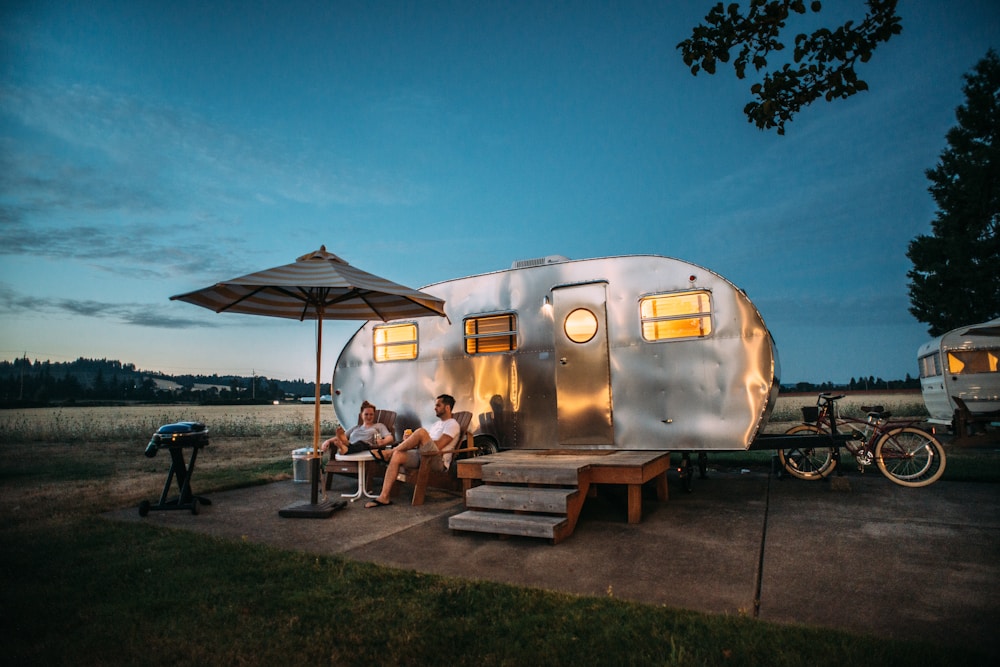
Few things compare to the satisfaction of a hot, delicious meal eaten under the stars after a day of adventure. Yet many campers default to freeze-dried packets and energy bars, missing out on one of the great joys of outdoor living. This guide will transform your camping cuisine, with recipes ranging from quick breakfasts to impressive dinners that anyone can master with minimal equipment.
The Philosophy of Camp Cooking
Successful camp cooking starts with realistic expectations. You're not running a kitchen—your equipment is limited, your attention is divided between food preparation and everything else that makes camping wonderful, and your fuel supply is finite. The best camp meals embrace these constraints rather than fighting them. Simple ingredients, prepared thoughtfully, almost always taste better than complicated recipes executed poorly in challenging conditions.
Planning is everything. Before your trip, prep ingredients at home when possible. Chop vegetables, marinate proteins, and portion ingredients into individual servings. This reduces waste, saves time at camp, and ensures you have everything you need. Nothing ruins a campsite dinner faster than discovering you forgot the most critical ingredient.
Essential Camp Cooking Principles
- Prep at home: Do as much cutting and measuring as possible before you leave
- One-pot wonders: Minimize dishes with recipes that deliver complete meals in a single vessel
- Manage heat carefully: Understand your stove's output and adjust accordingly
- Keep it simple: Three to five ingredients often produce better results than complex recipes
Breakfast: Fueling Adventure
Mornings at camp have a rhythm unlike anything at home. The air is crisp, the light is soft, and there's something deeply satisfying about making breakfast over a flame. The best camp breakfasts provide serious fuel without requiring culinary expertise or exotic ingredients.
Mountain Man Breakfast Hash
This hearty one-pan breakfast has fed countless happy campers. Start with thick-cut bacon or breakfast sausage in a well-seasoned cast iron skillet. Once browned, remove the meat and sauté diced potatoes until crispy. Add bell peppers and onions, cooking until soft. Create small wells and crack eggs into them. Cover and cook until eggs reach your preference. Top with cheese if you brought it, and serve directly from the pan.
Overnight Oats: No-Cook Morning Magic
For the ultimate grab-and-go breakfast, prepare overnight oats at home. Combine rolled oats, milk powder, chia seeds, and your favorite add-ins in a mason jar. At camp, just add water or cold brew coffee, stir, and eat. Add-ins like dried fruit, nuts, honey packets, and peanut butter make each jar unique. These travel well and provide sustained energy for active mornings.
"The best camping meals are the ones that make you forget you're camping—they're just good food, enjoyed in a better location."
Lunch: Quick and Energizing
Lunch at camp often needs to be quick since you're probably out exploring. Skip the elaborate preparations and focus on foods that provide sustained energy without weighing you down. Wraps, sandwiches, and trail mix form the backbone of great camp lunches.
Trail Wrap Perfection
Flour tortillas are camping lunch MVP. They pack flat, stay fresh for days, and transform into countless meals. Fill them with whatever you have: peanut butter and banana, hummus and veggies, cheese and deli meat, or canned chicken mixed with mayo and seasonings. Roll tightly and slice diagonally for a presentation that feels intentional rather than improvised.
Dinner: The Camp Kitchen's Finest Hour
Dinner is when camp cooking truly shines. After a full day outdoors, a proper hot meal feels like the ultimate luxury. These recipes deliver restaurant-quality satisfaction with backcountry simplicity.
Foil Packet Meals: Endless Variations
Foil packet cooking epitomizes easy camp cuisine. Tear off a sheet of heavy-duty aluminum foil, add seasoned protein and vegetables, fold into a sealed packet, and place on coals or a grate. Twenty minutes later, dinner is served. Basic combinations include chicken with carrots and potatoes, sausage with peppers and onions, or shrimp with corn and cherry tomatoes. The key is consistent portion sizes for even cooking.
Campfire Chili: A Crowd Pleaser
Nothing beats a pot of chili on a cool evening. Sauté onions and ground beef in a large pot, add canned beans (drained and rinsed), diced tomatoes, and your favorite chili seasonings. Let it simmer while the campfire does its work. Serve with shredded cheese, sour cream, and Fritos for a complete meal. Leftovers reheat beautifully for lunch the next day.
Snacks: Energy Between Meals
Sustained outdoor activity demands regular snacking. The best camp snacks combine carbohydrates for immediate energy with protein and fat for staying power. Make your own trail mix by combining nuts, dried fruit, chocolate chips, and pretzels in proportions that match your taste. Energy bars are convenient but expensive—making your own with oats, peanut butter, and honey saves money and lets you control ingredients.
No-Bake Energy Bites
These four-ingredient wonders require no cooking and travel exceptionally well. Combine oats, peanut butter, honey, and chocolate chips in a bowl. Roll into marble-sized balls and store in a zip-top bag. They stay fresh for a week and provide quick energy during afternoon hikes. Add-ins like flaxseed, coconut flakes, or dried cranberries customize each batch.
⚡ Related Tool
Calculate exactly how much food you need for your trip with our Camp Meal Planner.
Tips for Success
Gear matters for camp cooking. A good cast iron skillet develops flavors over time and distributes heat evenly. A reliable stove with wind protection ensures consistent results. Bring enough fuel—running out mid-cooking is frustrating and potentially dangerous. Cleanup supplies keep your camp tidy and prevent attracting animals.
Remember that camp cooking is part of the adventure. The meal you make outdoors will taste better than the same meal at home, simply because of where you're eating it. Embrace the imperfection, enjoy the process, and savor every bite of your outdoor kitchen creations.