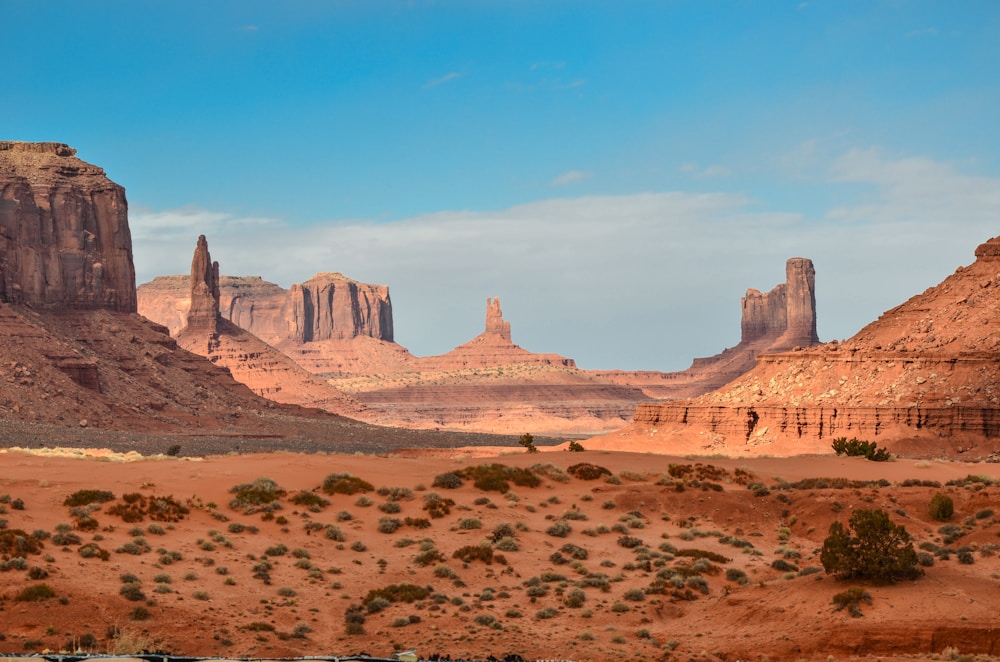
Desert camping strips away all pretense to reveal the raw essentials of survival. Water becomes more precious than any gear, shade becomes valuable real estate, and the temperature range between burning day and freezing night tests your gear and constitution simultaneously. Yet the rewards—extraordinary landscapes, pristine night skies, profound silence—draw campers back to arid regions despite the challenges.
The Golden Rule: Water
Desert camping revolves entirely around water management. The general guideline of one gallon per person per day doubles or triples in desert heat with exertion. Beyond drinking, water serves cooking, cleaning, and temperature management. A realistic minimum for desert camping runs two gallons daily per person in warm months, more if temperatures exceed 90°F or activity levels are high.
Water sources in desert environments are often ephemeral—appearing after rains, disappearing within days. Never trust seasonal sources without verification. Carry all water you need from the start, and carry enough to reach your next confirmed source. The desert doesn't negotiate: dehydration kills quickly and doesn't care about your experience level.
Water Calculation for Desert Trips
- Base amount: 1 gallon per person per day minimum
- Heat multiplier: 1.5-2x in temperatures above 85°F
- Activity multiplier: 2x for strenuous hiking or climbing
- Emergency reserve: Carry one day's extra supply minimum
- Cache planning: Pre-position water at remote campsites if possible
Timing Your Activities
Desert days split dramatically into periods of rest and activity. The hours between roughly 10 AM and 4 PM offer extreme heat that makes exertion dangerous. Experienced desert campers use these hours for shade, rest, and meal preparation. Activity concentrates in early morning and late afternoon/evening when temperatures become manageable.
This schedule requires adjusting your internal clock significantly. Wake before sunrise to maximize morning activity. Rest during peak heat. Resume as shadows lengthen in late afternoon. This rhythm feels unnatural initially but becomes习惯 with practice. The cool nights that follow reward the shifted schedule with extraordinary stargazing.
"In the desert, the sun sets your schedule more than any clock could. Learn its rhythm or pay the price."
Temperature Extremes
Deserts achieve temperature ranges impossible in other environments. Summer days regularly exceed 100°F, while winter nights drop below freezing at higher elevations. Spring and fall offer more moderate conditions but present their own challenges—flash floods from distant storms, wind, and rapid weather changes.
Sleeping gear requirements depend entirely on season and elevation. Summer desert camping requires minimal insulation but demands you position yourself to avoid both heat exhaustion during day and hypothermia at night. Winter desert nights demand serious cold weather gear despite pleasant afternoon temperatures.
Shelter Considerations
Shade determines camp comfort more than any other factor. Natural shade from trees, rock overhangs, or canyon walls provides relief unavailable from tents. When natural shade isn't available, creating shade with tarps becomes essential. Orient your sleeping area to minimize morning sun exposure—face east and you'll wake with the sun rather than before it.
Wildlife in arid Environments
Desert wildlife emerges primarily at dawn and dusk. Scorpions hide in boots and gear during the day—always shake out everything before use. Snakes seek shade similarly; watch where you place hands and feet. Most desert creatures want nothing to do with humans; respect their space and they'll return the courtesy.
⚡ Related Tool
Calculate water needs and plan desert routes with our Trip Planners.
Leave No Trace in Fragile Landscapes
Desert ecosystems脆弱 more than they appear. Cryptobiotic soil—dark, crusty ground that takes decades to form—crushes underfoot and never recovers. Stay on established trails and durable surfaces. Pack out everything including micro-trash that might seem insignificant. Water sources require particular protection; camp at least 200 feet from any water to protect riparian areas.
Desert camping rewards those who approach it with humility and preparation. The landscapes reveal themselves slowly, demanding patience and attention. Night skies unmatched anywhere else remind you of your place in the universe. The silence of the desert surpasses any library, any meditation space. When you respect its rules, the desert offers rewards unavailable in more forgiving environments.