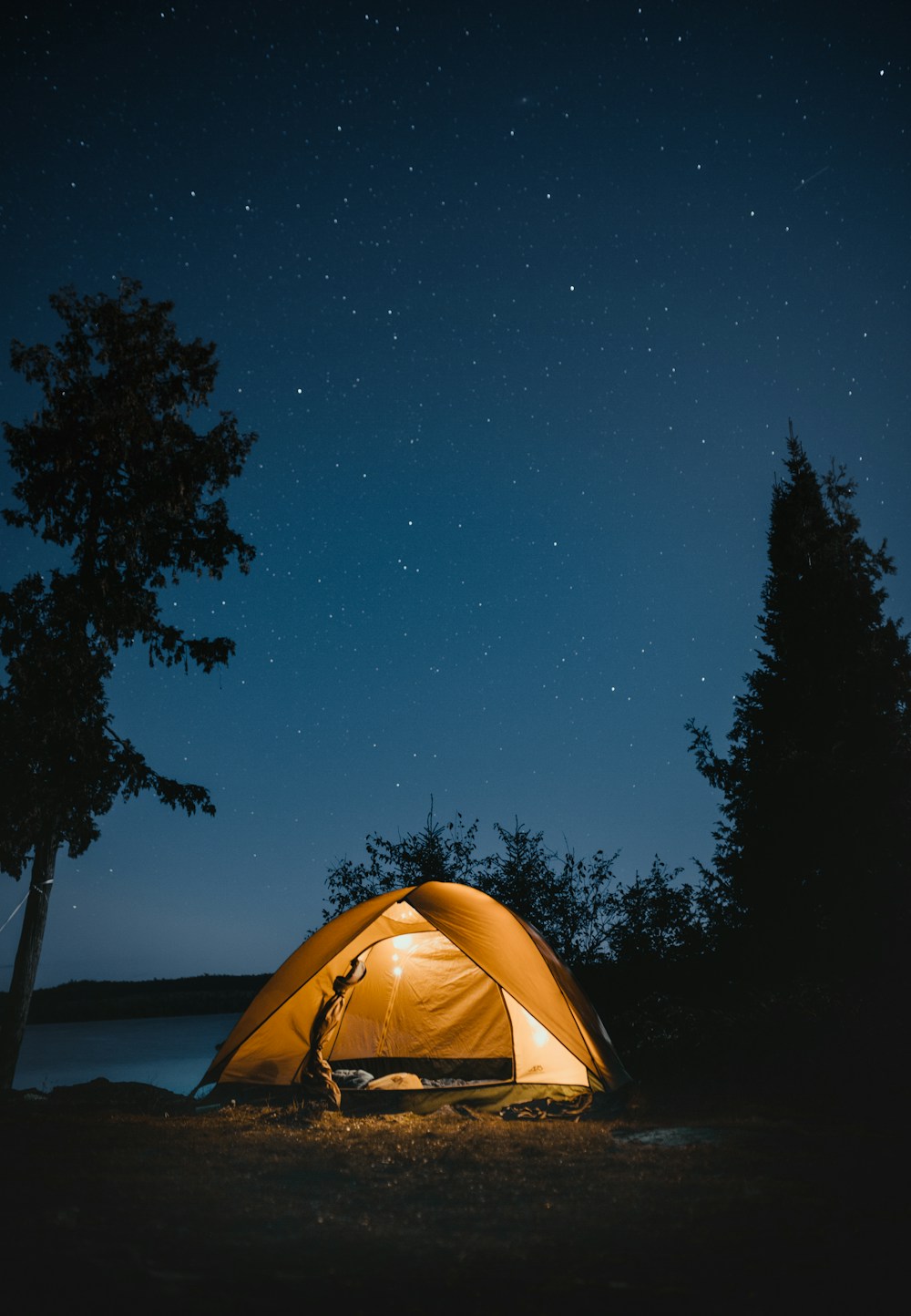
Primitive camping strips away the comfortable padding of modern life to reveal something fundamental about human connection with the natural world. Away from designated campsites, parking lots, and flush toilets, you discover what the wilderness offers those willing to approach it on its own terms. This guide prepares you for the rewards and challenges of camping without developed amenities.
Understanding Primitive Camping
Primitive camping goes by many names: backcountry camping, wilderness camping, dispersed camping. Whatever the terminology, the core concept remains consistent: camping away from developed facilities, where you create your own campsite and provide your own services. No tables, no fire rings, no toilets, no water sources—only what you carry in and carry out.
Different lands have different rules. National Forests and Bureau of Land Management lands typically allow dispersed camping with few restrictions. National Parks restrict backcountry camping to designated sites with permits. Wilderness designations impose the strictest rules, often limiting group sizes and requiring bear canister use. Research your destination thoroughly before departure.
Where Primitive Camping is Allowed
- National Forests: Generally allow dispersed camping away from roads and developed sites
- BLM Lands: Typically permit camping without fees or permits in most areas
- Wilderness Areas: Permit-only, with specific rules and regulations
- State Lands: Varies widely; check local regulations
- Private Lands: With landowner permission; often the best option near urban areas
Selecting a Campsite
Finding the right primitive campsite requires judgment developed through experience. Look for flat ground free of rocks and debris, large enough for your shelter and gear organization. Natural features like windbreaks and shade provide comfort. Avoid low-lying areas where water pools during rain, dry creek beds that flash flood, and locations beneath dead trees or limbs that could fall.
Distance from water sources matters for both practical and ethical reasons. Camping too close to streams and lakes damages riparian areas and attracts wildlife. The standard recommendation is at least 200 feet from water—farther if the terrain channels water toward your site. This distance also provides privacy from other campers using the same water source.
"The perfect campsite reveals itself to those who take time to look. Rushing leads to uncomfortable nights."
Leave No Trace Principles
Primitive camping demands rigorous adherence to Leave No Trace principles. Without staff maintaining sites, your impact persists until nature reclaims it. Camp on durable surfaces like established campsites, bare soil, or rock. Pack out all trash including food scraps that wildlife might learn to seek from humans. Properly dispose of human waste by digging catholes at least six inches deep, 200 feet from water.
Water and Food Management
Water requires careful planning in primitive settings. Unlike developed campgrounds with potable water spigots, backcountry campers must locate, treat, and carry all water. Research water availability along your route before departure. Springs, streams, and lakes provide sources, but their reliability varies seasonally. Always carry more water than you think you'll need, especially in arid regions.
Food Storage Without Lockers
Primitive camping requires hanging food or using bear canisters where required. Bear hangs require practice—finding appropriate branches, calculating height and distance, and executing the motion smoothly. A counter-balance method works where natural anchors don't exist. Bear canisters provide certain protection but add significant weight and bulk.
⚡ Related Tool
Calculate water needs and food weight with our Backpacking Planners.
Navigating Without Amenities
Trail markers, pit toilets, and information boards at developed sites disappear in primitive areas. Navigation relies entirely on your preparation and skills. Download offline maps, carry physical maps and compasses, and understand the terrain before you arrive. Cell service rarely exists—plan for complete self-reliance.
Emergency planning becomes more critical when you're far from help. Leave detailed itineraries with reliable contacts. Carry communication devices like personal locator beacons. Understand evacuation routes and nearest road access points. The wilderness offers solitude and rewards, but it demands respect and preparation.