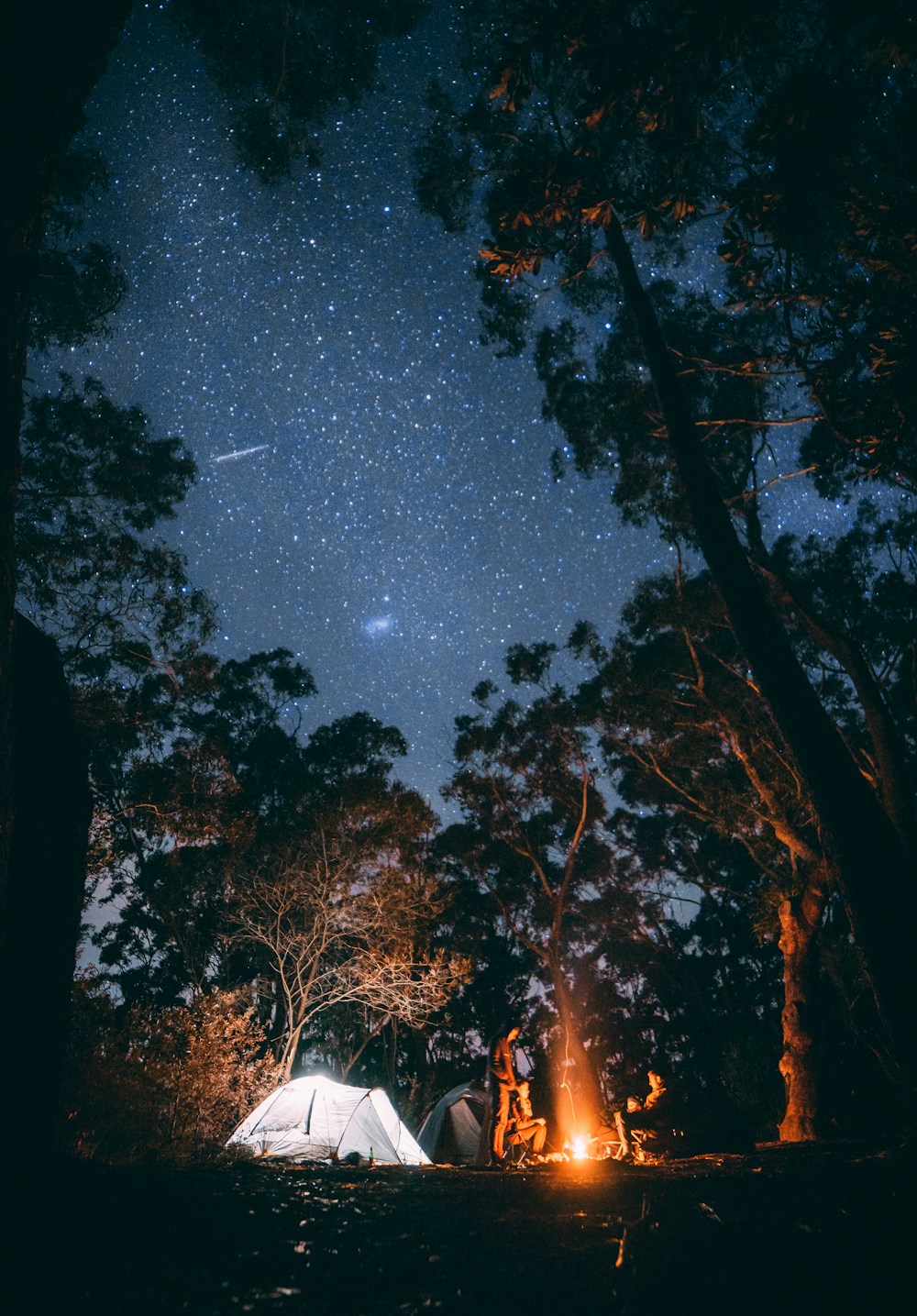
Let's be honest: most backpackers have survived on questionable freeze-dried meals and stale granola bars. But what if I told you that the mountain views taste better alongside a bowl of properly seasoned risotto, or that a well-made burrito can make a grueling day feel worthwhile? Backcountry cooking doesn't have to mean sacrificing flavor for convenience.
The Psychology of Trail Food
Food isn't just fuel in the wilderness—it's morale, comfort, and ritual. After a hard day on the trail, a satisfying meal provides psychological recovery that pure caloric intake cannot match. A good meal creates a moment of normalcy amid the extraordinary. The simple act of preparing real food helps you decompress from the day's challenges.
This doesn't mean you need a full spice rack and chef's knife. Strategic simplicity beats culinary complexity when you're tired and it's getting dark. The goal is memorable meals that require minimal effort and equipment.
Understanding Calories and Weight
Backcountry cooking requires balancing three competing demands: caloric density, nutritional completeness, and pack weight. Your body needs roughly 2,000-4,000 calories per day depending on exertion, temperature, and body size. But carrying four pounds of food per day isn't practical on long trips.
The solution is caloric density—food that provides maximum energy per ounce. Fats provide 9 calories per gram versus 4 for carbohydrates and proteins. Adding olive oil, nut butter, and cheese to meals significantly increases their energy density without proportionally increasing weight.
Essential Techniques for Better Meals
The foundation of good backcountry cooking is controlling water temperature and cooking time. Most freeze-dried meals specify water temperatures that are too high, resulting in mushy outcomes. Using cooler water and allowing proper rehydration time dramatically improves texture.
The Bag Cooking Method
Zip-top bags aren't just for freeze-dried meals anymore. Repackage home-cooked pasta, rice dishes, or oatmeal into portioned bags. Add boiling water, seal, and insulate with a jacket or sleeping bag for 10-15 minutes. This "pot cozy" technique cooks food evenly while saving fuel and dishes.
Building Flavor Layers
Just like home cooking, trail meals benefit from building flavors progressively. Start with aromatics like dried onions and garlic in your pot before adding water. Add acid (lemon powder or vinegar) at the end to brighten flat flavors. Keep a small container of finishing salt—it's remarkable how much difference proper seasoning makes.
⚡ Related Tool
Use our Fuel Duration Calculator to plan your cooking fuel needs.
Protein Sources for Vegetarians and Meat-Eaters
Protein becomes more challenging to source sustainably in the backcountry. For vegetarians,TVP (textured vegetable protein), powdered eggs, nut butter, and hard aged cheeses provide complete proteins. Athletes may want to add protein powder to oatmeal or recovery drinks.
Meat-eaters have options like shelf-stable bacon, summer sausage, and jerky that don't require refrigeration. Pre-cooked chicken pouches and ham steaks pack well for short trips. Vacuum-sealed fish like salmon provide omega-3s and strong flavor.
Breakfast Strategies
Breakfast sets the tone for the day. A substantial morning meal provides energy reserves and prevents the "bonk"—that hypoglycemic crash mid-morning. Oatmeal gets boring fast; consider alternative breakfasts like quinoa with dried fruit and nuts, pancakes made from pancake mix in a bag, or breakfast burritos with tortillas, eggs, and cheese.
Dinner Excellence
After a long day, you deserve dinner more elaborate than instant mashed potatoes. Pasta dishes are reliable and adaptable—try adding sun-dried tomatoes, olives, and feta for a Mediterranean flair. Risotto is surprisingly easy with instant rice and broth powder. Chili with cornbread mix satisfies deep hunger after exertion.
The secret to memorable dinners is preparation at home. Pre-mix spice blends, portion ingredients into daily servings, and practice recipes before your trip. What tastes good at home will taste better after a hard day on the trail.
Snacks and Trail Magic
Strategic snacking prevents energy crashes between meals. Keep snacks accessible in your hip belt pocket or pack's easy-access compartment. Trail mix, energy bars, and nut butter packets provide quick fuel. But save something special for a hard stretch or a beautiful viewpoint—these "trail magic" moments make the suffering worthwhile.
Great backcountry cooking is about more than eating—it's about maintaining connection to normal life while living simply in wild places. With proper planning and a few techniques, your trail meals can be as satisfying as anything you'd cook at home.