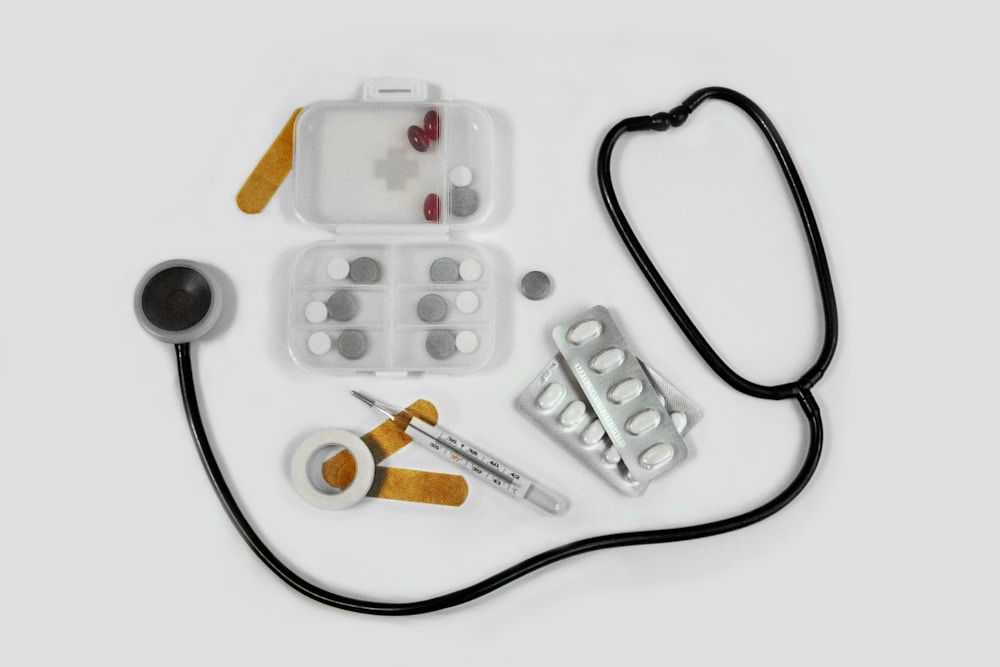
No piece of gear proves its worth more dramatically than a properly assembled first aid kit. When injury occurs miles from help, your kit becomes the difference between manageable incidents and genuine emergencies. Yet most purchased kits contain generic supplies poorly suited to actual outdoor problems. Building your own ensures every item serves a specific purpose and you know exactly how to use everything inside.
Kit Philosophy: Customization Matters
Your kit should reflect your trip's specifics: group size, activity types, destination remoteness, and personal medical history. A solo weekend backpacker's needs differ enormously from a family car camping for a week. The goal isn't comprehensive hospital-level supplies but rather management of likely problems until professional care becomes available.
Understanding how to use your supplies matters more than their quantity. A well-stocked kit wielded by someone with no training provides limited value. Consider taking a wilderness first aid course—these teach assessment skills, treatment protocols, and evacuation decision-making that pure equipment cannot replace.
Kit Size Categories
- Day hike kit: Lightweight blister care, basic wound management, personal medications
- Overnight kit: Expanded supplies for common overnight problems
- Extended wilderness: Remote area supplies, evacuation delay contingencies
- Group kit: Multiple injuries, longer duration, shared leadership
Essential Categories and Items
Organize your kit by category rather than random packing. This organization allows rapid access when stressed and complete inventory checks during packing. Use waterproof compartments for items that must stay dry—bandages, medications, and paper items degrade quickly when wet.
Wound Care Fundamentals
Wounds represent the most common backcountry injury requiring treatment. Your kit needs supplies for cleaning, closing, and covering injuries. Irrigation syringes clean wounds more effectively than wiping. Sterile gauze pads in multiple sizes address various wounds. Adhesive tape (cloth tape works best), butterfly closures for shallow cuts, and a variety of bandage shapes handle different body locations.
"The best first aid kit is the one you actually bring. A perfect kit forgotten at home provides zero value."
Medications Section
Over-the-counter medications treat pain, inflammation, allergic reactions, and digestive problems that disrupt otherwise successful trips. Include pain relievers (ibuprofen and acetaminophen serve different purposes), antihistamines for allergic reactions, anti-diarrheal medication, and antacids. Personal prescriptions require backup supplies—carrying extra prescriptions prevents crisis when extended trips require unexpected stays.
Blister Management
Blisters rank among the most common backcountry ailments despite rarely becoming serious. Prevention remains ideal—proper footwear, moisture management, and early intervention when hot spots develop. Your kit should include molefoam or molezkin for hot spots, blister pads with padding, and medical tape for securing coverings without adhesive contact.
Emergency Tools
Tweezers remove splinters and ticks. Safety pins secure bandages and clothing repairs. Small scissors cut tape and clothing. A needle and thread handle more extensive repairs. Thermometer detects dangerous fever or hypothermia. These tools occupy minimal space while solving problems beyond what medications address.
⚡ Related Tool
Get more wilderness safety information at our Safety Tools.
Evacuation Planning
Your first aid kit assumes eventual evacuation for serious injuries. Include emergency communication information: local emergency numbers, evacuation route descriptions, and personal medical information cards. A personal locator beacon or satellite communicator provides emergency communication beyond cell coverage.
Regular kit maintenance ensures readiness. Replace expired medications, replenish used items after each trip, and review contents seasonally. A first aid kit serves as insurance you hope never to use—maintaining it ensures it's there if needed.