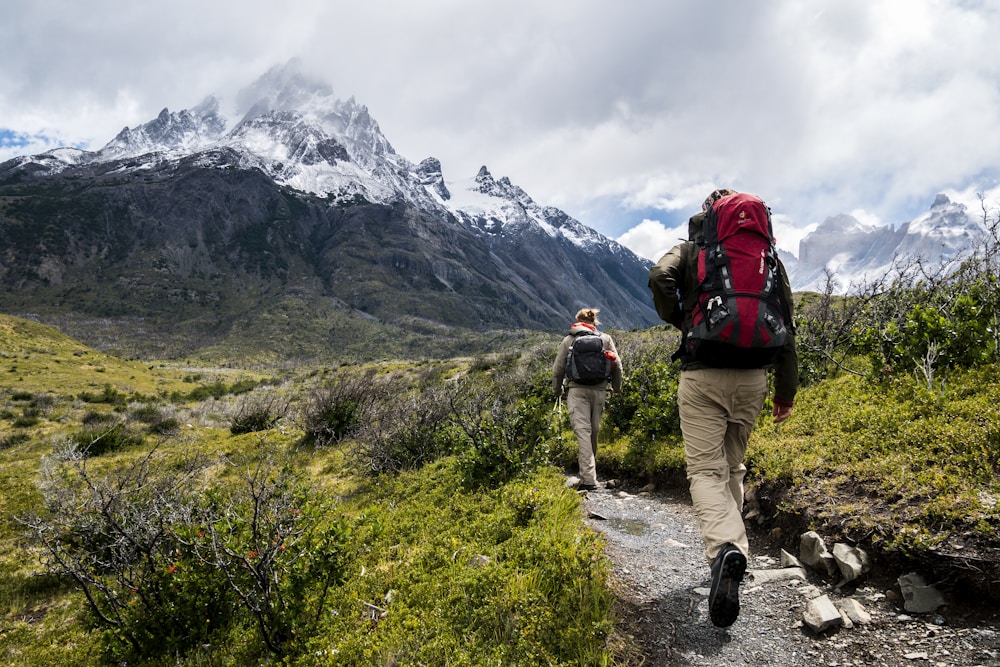
Backpacking requires carrying everything necessary for survival and comfort on your back. The challenge lies not in remembering every item but in understanding why each piece matters and how they work together as a system. This comprehensive checklist covers everything needed for multi-day backcountry travel, organized by function rather than alphabetical confusion. Use it as a starting point, customizing for your specific trip length, climate, and personal needs.
The Big Three: Foundation of Backpacking
Your backpack, shelter, and sleep system form the foundation upon which all other gear depends. These three items typically represent the largest portion of your base weight and receive the most attention during purchase decisions. Quality investments here pay dividends through years of reliable service, while compromises often prove costly in comfort, weight, or both.
A properly fitted backpack distributes weight across hips and shoulders, reducing fatigue during long miles. The shelter—whether tent, tarp, or hammock system—determines your weather protection and sleeping comfort. Your sleep system of pad and bag or quilt must match expected temperatures while fitting your personal sleep preferences.
The Big Three Checklist
- Backpack: Sized appropriately for trip length, properly fitted to your torso
- Shelter: Tent, tarp, or hammock with all components, stakes, and repair kit
- Sleep system: Sleeping pad with R-value for conditions, sleeping bag or quilt rated for lowest expected temp
- Sleep system extras: Liner bag, pillow, compress sacks
Navigation and Communication
Even on familiar trails, reliable navigation prevents wrong turns and provides peace of mind. Modern smartphones offer excellent mapping apps, but always carry backup navigation in case of battery failure or damage. Physical maps and compasses never run out of batteries and provide redundancy that smart devices cannot match.
Emergency communication devices have become increasingly important as cell coverage extends into backcountry areas. Personal locator beacons communicate directly with search and rescue satellites, functioning anywhere on Earth. Two-way satellite communicators allow non-emergency contact with family and offer SOS capability. Cell phones work in more areas than many realize but cannot be relied upon in true emergencies.
Navigation Gear
- Map: Current and waterproof or laminated
- Compass: Quality baseplate model with declination adjustment
- GPS or phone: With downloaded offline maps and extra battery or power bank
- Emergency beacon: PLB or satellite communicator for remote travel
"The wilderness doesn't care about your plans. Navigation tools ensure you can adapt when plans change."
Water Treatment and Hydration
Water constitutes the largest weight savings potential when optimizing pack weight, yet adequate hydration remains non-negotiable for health and performance. Treatment methods range from simple filters to chemical treatment to UV purification. Each offers tradeoffs in weight, effectiveness, convenience, and water contact time. Many experienced backpackers carry multiple treatment methods for redundancy.
Clothing System
Backpacking clothing follows the layering principle, with multiple lighter layers providing more versatility than single heavy pieces. The system must manage moisture, provide insulation when needed, and protect from sun and wind. Quality technical fabrics outperform cotton dramatically in the backcountry, drying quickly and maintaining insulation when wet.
Clothing Checklist
- Base layers: One for hiking, one spare for camp
- Insulation: Fleece or puffy jacket for warmth
- Rain layer: Waterproof and breathable jacket and potentially pants
- Headwear: Sun hat, warm beanie, buff or neck gaiter
- Handwear: Light gloves for ridge crossings, warmer gloves for cold camps
- Footwear: Hiking boots or shoes, camp shoes if desired, extra socks
Food and Cooking
Multi-day backpacking requires carrying all food from trailhead to destination. Calorie density matters significantly—weight per calorie determines how much food you must carry. Freeze-dried meals offer convenience but cost more; home-dehydrated meals provide better control over ingredients and cost. Simple hot meals restore warmth and morale on cold evenings, while trail snacks provide energy during hiking hours.
Essential Tools and Repair Kit
Mechanical failures happen. A knife or multi-tool addresses many repair needs, while dedicated repair items handle gear-specific failures. Packing tape, cordage, and fabric patches manage shelter and pack repairs. A small sewing kit handles clothing repairs. Duct tape wrapped around water bottles serves multiple purposes and compresses flat.
⚡ Related Tool
Calculate your pack weight and optimize your loadout with our Backpack Weight Calculator.
First Aid and Toiletries
A first aid kit tailored to group size and trip duration addresses common injuries and ailments. Blister care prevents small problems from becoming trip-ending issues. Pain relief, anti-inflammatory medication, and personal medications round out medical preparations. Toiletries remain minimal—toothbrush, toothpaste, small sunscreen, and insect repellent.
Final Preparations
Before departure, review weather forecasts and trail conditions. Leave your itinerary with a trusted contact who knows when to expect your return. Check that all gear functions properly—zippers work, batteries charge, seams seal. Practice packing and repacking at home until the process becomes automatic.
The difference between a successful backpacking trip and a miserable one often lies in the details captured on a thorough checklist. Take time to customize this list for your specific needs, removing unnecessary items while ensuring critical pieces aren't forgotten. The wilderness awaits, properly prepared.