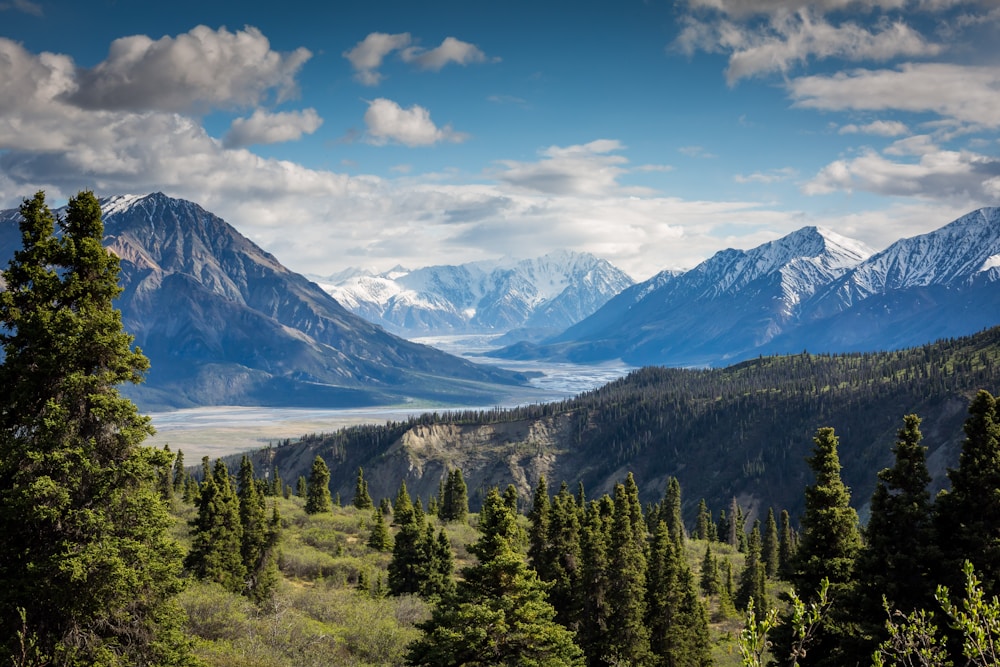
Above 8,000 feet, the atmosphere thins, UV radiation intensifies, and weather becomes exponentially more unpredictable. High altitude camping rewards with vistas impossible at lower elevations, but it demands respect for physiological and environmental challenges that don't exist at sea level. Understanding these challenges before you ascend transforms difficult conditions into manageable adventure.
Understanding Altitude Illness
Altitude illness affects nearly everyone ascending rapidly above 8,000 feet. The reduced partial pressure of oxygen triggers physiological responses that range from mild headache to life-threatening fluid in the lungs or brain. The keys to prevention are gradual ascent and recognizing symptoms early. The moment you ignore warning signs is the moment danger becomes serious.
Acute Mountain Sickness (AMS) symptoms include headache, nausea, fatigue, and dizziness—essentially a hangover without the fun of drinking. These symptoms usually develop within hours of arriving at altitude and typically resolve with rest and hydration. The treatment is simple: don't ascend further until symptoms improve. If symptoms worsen despite rest, descend immediately.
AMS Prevention Protocol
- Ascend gradually: No more than 1,000-1,500 feet elevation gain per day above 8,000 feet
- Hydrate aggressively: Double your normal water intake; altitude dramatically increases dehydration
- Acclimatize: Spend 2-3 nights at intermediate elevation before ascending higher
- Recognize symptoms: Headache, nausea, fatigue signal need to stop ascending
- Descend if worsening: HACE and HAPE kill; don't mess around with neurological symptoms
Weather at Elevation
Mountain weather changes faster and more severely than lowland forecasts predict. Afternoon thunderstorms develop daily during summer months, bringing lightning, hail, and rapid temperature drops. What begins as sunny morning can become dangerous afternoon storm. Understand that weather services cannot perfectly predict mountain conditions—prepare for worse than forecast.
Temperature swings of 40°F within hours aren't unusual. Direct sun feels warm even in cool air, while shaded areas chill immediately. Wind speeds increase dramatically with elevation—exposed ridgelines may become impassable. Always carry rain gear regardless of morning forecasts, and plan daily activities around afternoon storm timing.
"At altitude, the mountain makes the rules. Respect that and you live. Ignore it and you become a statistic."
Gear for High Altitude
High altitude demands better gear than equivalent temperatures at sea level. Four-season tents with robust pole structures resist wind loading that collapses lighter designs. Sleeping bags rated 10-20°F warmer than expected conditions account for the additional cold stress altitude imposes. Sleeping pads with higher R-values address increased ground cold conduction.
Altitude-Specific Gear Choices
Sun protection becomes critical. UV intensity increases approximately 4% per 1,000 feet of elevation gain. Sunglasses with high UV protection prevent snow blindness—a painful condition that blinds you temporarily. High SPF sunscreen, lip balm, and sun hats block radiation that causes burns far faster than at lower elevations.
Cooking at Altitude
Altitude affects cooking significantly. Boiling point decreases roughly 1°F per 500 feet of elevation gain—at 10,000 feet, water boils at approximately 194°F rather than 212°F. This lower temperature means longer cook times, and some foods simply don't cook properly. Pressure cookers restore higher boiling temperatures and dramatically reduce cooking time.
⚡ Related Tool
Check altitude acclimatization schedules with our Trip Planning Tools.
Water and Hydration
Altitude dehydration occurs faster than most anticipate. Respiratory moisture loss increases as breathing quickens in thinner air. Appetite decreases while energy demands increase. The combination creates a perfect storm for degraded performance and increased illness risk. Force fluids regardless of thirst sensation—thirst indicates dehydration already in progress.
High altitude camping pushes boundaries that lowland camping never approaches. The rewards match the challenges—alpine lakes, granite summits, and skies somehow bluer above the haze. Approach altitude with appropriate respect, proper preparation, and honest self-assessment, and the mountains offer experiences unavailable anywhere else on Earth.