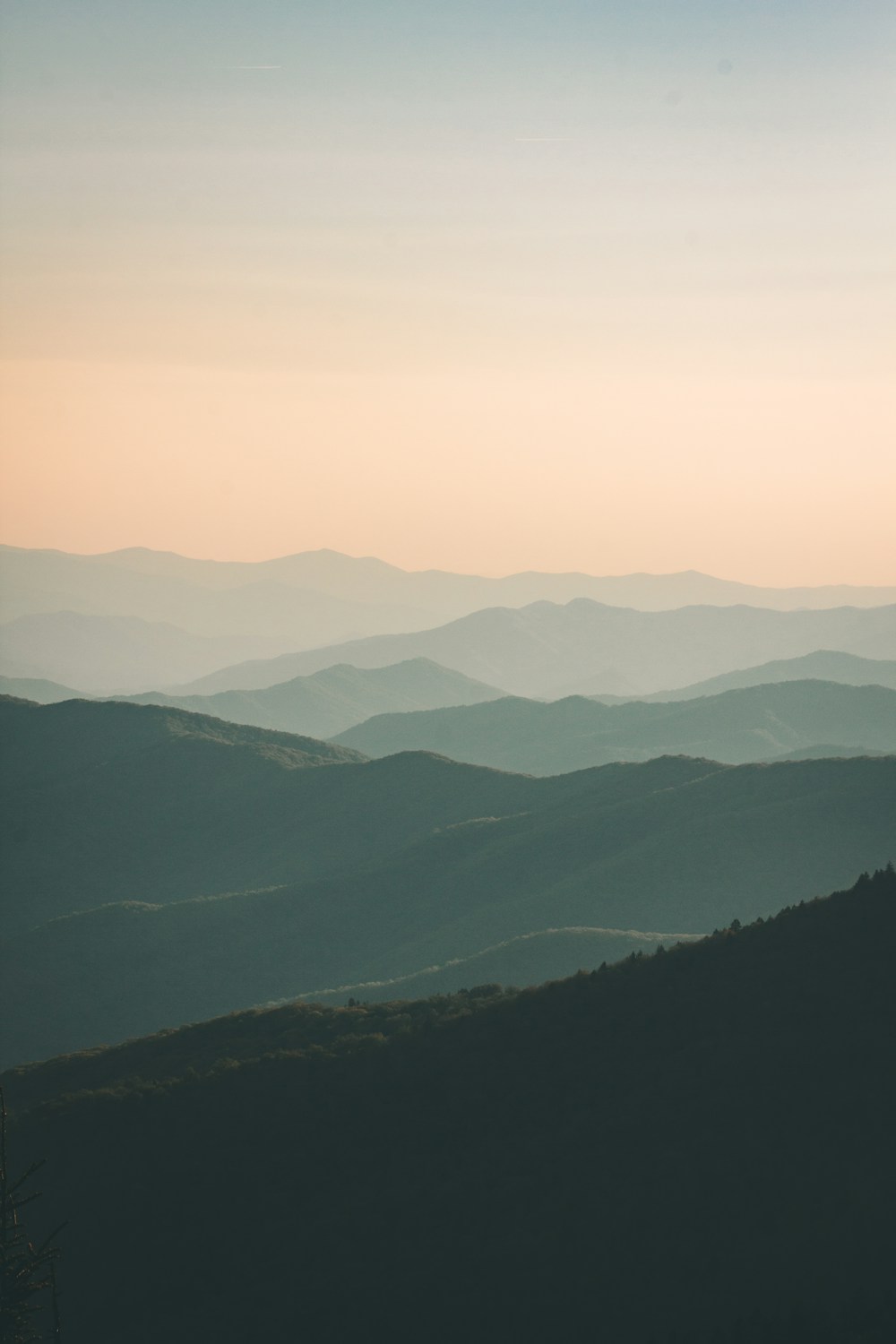
Camping puts you in places where light behaves differently than everyday life. Golden hours last longer, stars shine brighter, and firelight creates moods impossible to replicate. Learning to capture these moments transforms camping from recreation into artistic expression. Yet outdoor photography presents challenges—changing light, limited power, weather exposure—that require preparation and adaptability.
Understanding Outdoor Light
The single most important skill in photography is understanding light. Campers experience light at its most dramatic: soft morning light filtering through trees, harsh midday sun creating strong shadows, golden evening light painting landscapes in warm tones, and deep blue twilight that photographers treasure. Each quality demands different camera settings and compositional approaches.
The hour after sunrise and the hour before sunset—known as golden hour—produce the most flattering light for landscapes and portraits. During these times, the sun's angle creates long shadows, warm tones, and even illumination. Plan your most important photography during these windows. Midday, while terrible for flat landscapes, works well for detail shots where harsh shadows add drama.
Reading Natural Light
- Golden hour: Warm, soft, directional; ideal for most subjects
- Blue hour: Cool, even, ethereal; occurs before sunrise and after sunset
- Overcast days: Natural diffusion eliminates harsh shadows; excellent for portraits
- Backlighting: Creates silhouettes and rim lighting; requires exposure compensation
Essential Camera Protection
The outdoors tests camera equipment severely. Sand infiltrates mechanisms, salt spray corrodes contacts, moisture fogs lenses, and temperature changes cause condensation. Protection begins with awareness: recognize when conditions threaten your gear and respond appropriately. Rain covers exist for most camera systems—use them in precipitation regardless of your camera's weather sealing.
Batteries drain faster in cold conditions. Carry spares close to your body to keep them warm. Memory cards fail; bring backups and format regularly. Lens cleaning becomes more frequent outdoors—sand and fingerprints degrade image quality. A microfiber cloth and lens pen serve most needs, with compressed air for stubborn particles.
"The best camera is the one that survives the trip. Protect your gear and it will capture images for years."
Composing Camp Scenes
Standard camping compositions include establishing shots of campsites, detail images of gear arrangements, environmental portraits of campers enjoying locations, and landscape contexts showing surroundings. Each requires different attention: establishing shots need wide angles and careful horizon leveling; portraits benefit from flattering angles and coordinated elements; details reward close attention to arrangements and lighting.
The Rule of Thirds and Beyond
Place horizon lines along gridlines rather than center frame. Position key subjects at intersection points where gridlines cross. Lead the eye through images using natural lines—streams, paths, tent edges. Use framing elements like tree branches to add depth. These principles apply universally, but rules exist to be broken once understood.
Night Photography at Camp
Campfire photography combines firelight, starlight, and sometimes moonlight. Balance these competing light sources requires manual exposure control. Start with ISO 1600-3200, apertures around f/2.8-f/4, and exposures of 15-30 seconds. Bracket extensively—firelight intensity changes constantly, and the difference between perfect and ruined can be fractions of stops.
⚡ Related Tool
Check sunrise and sunset times for your location with our Outdoor Planning Tools.
Astrophotography Basics
Dark skies away from light pollution reveal the Milky Way and countless stars. Wide-angle lenses with large apertures capture these scenes best. Focus manually to infinity—autofocus fails in darkness. The 500 rule (500 divided by focal length equals maximum exposure before star trails) provides starting points, though modern high-resolution sensors require shorter times.
Remember that photography should enhance rather than dominate camping experience. The best images come when you remain present to the moment while maintaining technical awareness. Watch for moments worth capturing, anticipate light changes, and respond quickly when conditions align. The camera becomes a tool for deeper engagement with the natural world, not a barrier separating you from it.